You have 0 items in your cart


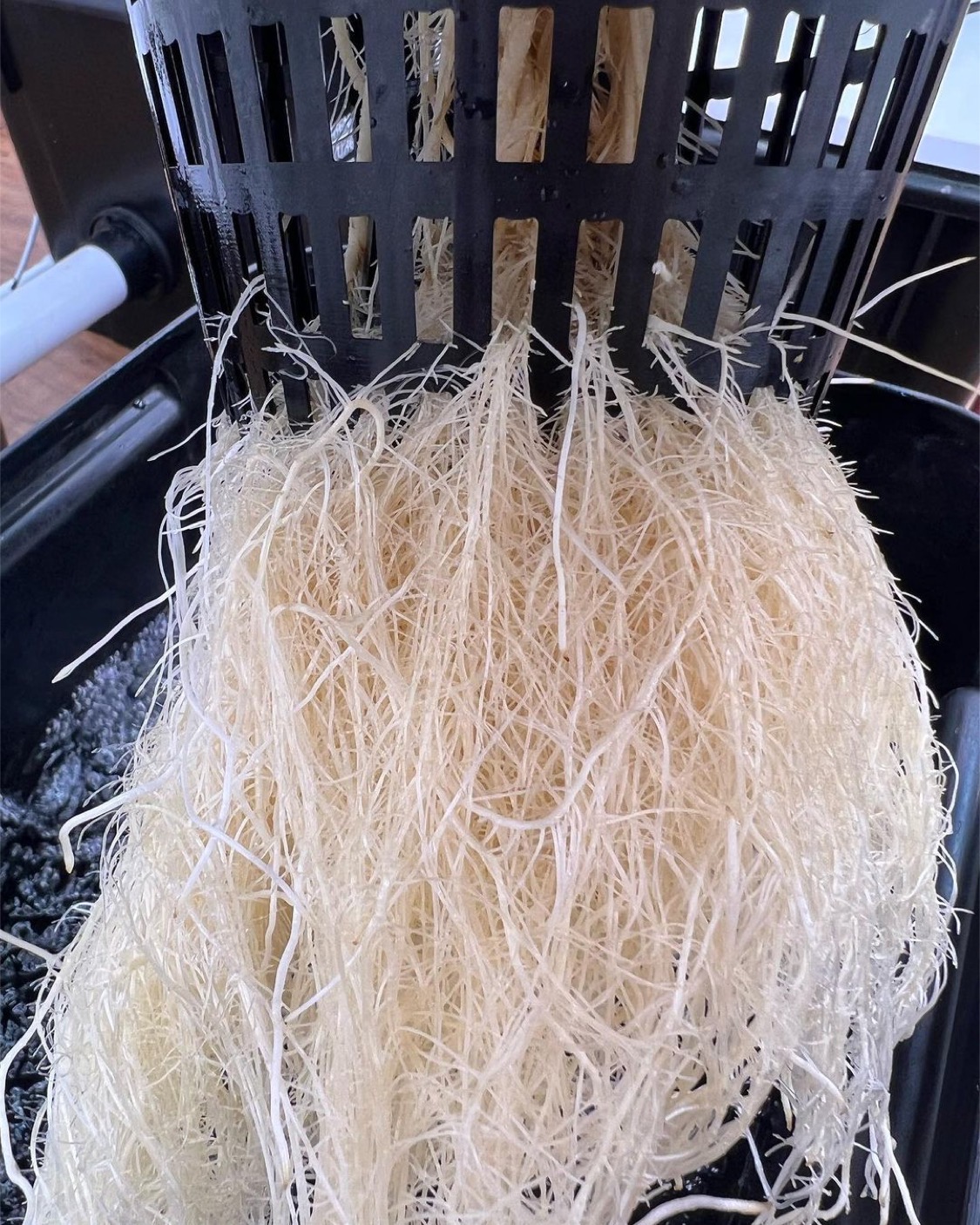

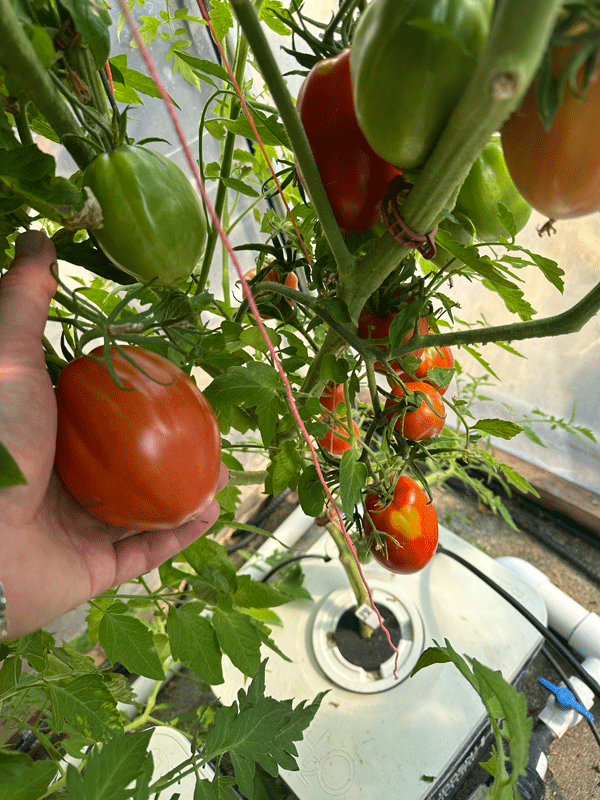

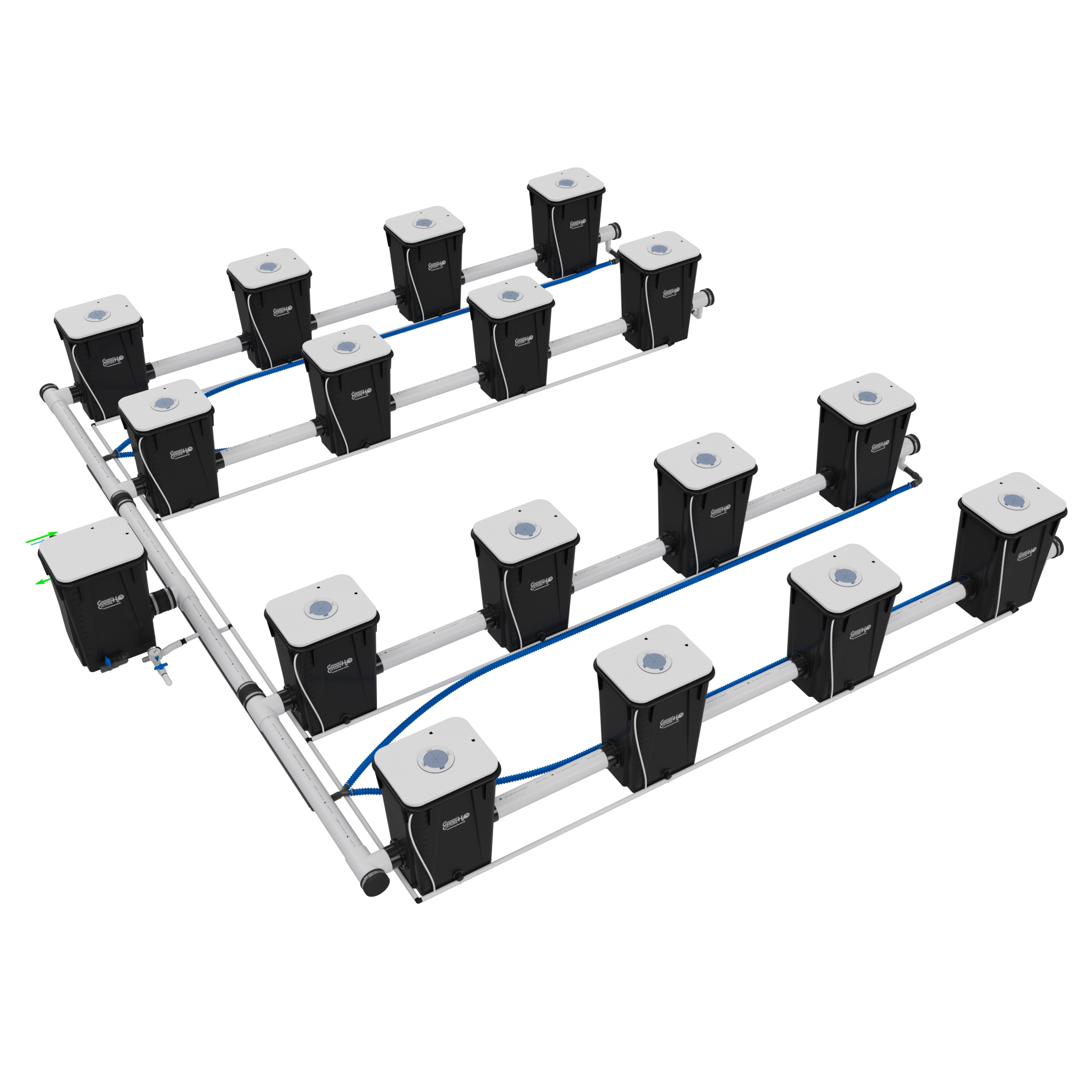
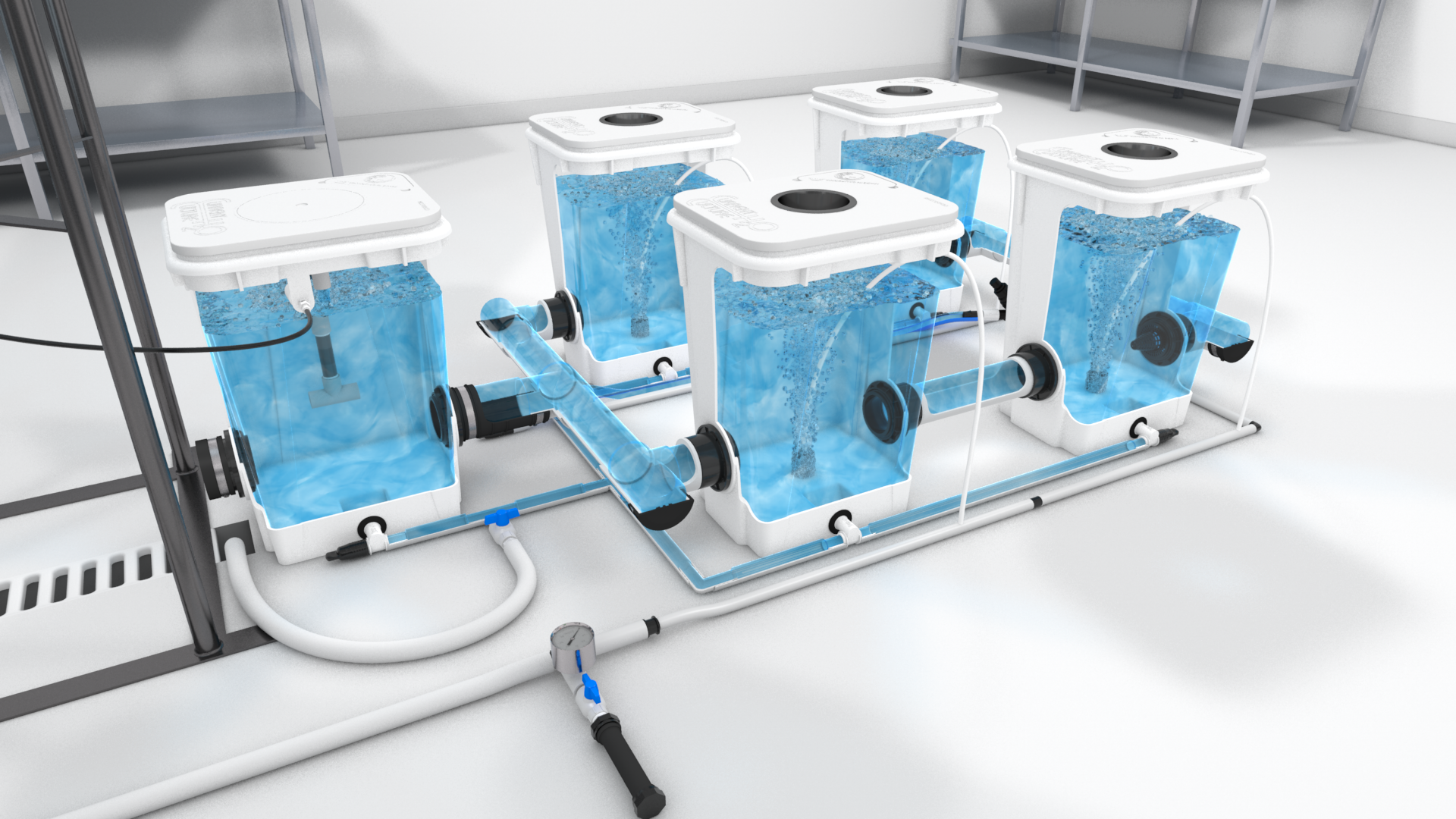
DWC Deep Water Culture and RDWC (recirculating deep water culture) systems operate on a simple but highly effective principle: plants are supported above a depth of aerated nutrient solution, allowing bare roots to grow directly into the solution. With nothing blocking the uptake of minerals, water and oxygen, growth and yields can increase dramatically.
For example, in conventional soilless methods, plants may require more than six weeks of vegetative growth before flowering or fruiting begins. In DWC Deep Water Culture and RDWC systems, plants can reach substantial size in just a few weeks, enabling high-yield results from individual plants.
Because these systems are closed, water is lost only through direct uptake rather than soil evaporation. This improves water-use efficiency and provides growers with clear diagnostic insights.
When proper dissolved oxygen levels are maintained, there is no risk of overwatering or underwatering because roots are continually bathed in an oxygen-rich environment. Roots can also absorb ambient oxygen from the airspace within the module. DWC Deep Water Culture and RDWC systems aerate the nutrient solution using airstones and air pumps, while RDWC adds additional aeration through active recirculation.
By eliminating soil and minimizing the need for growth media, these systems remain tidy and hygienic. They are well suited for a wide range of growing environments, including professional cultivation facilities, greenhouses, hobby grow rooms, classrooms and research institutions.
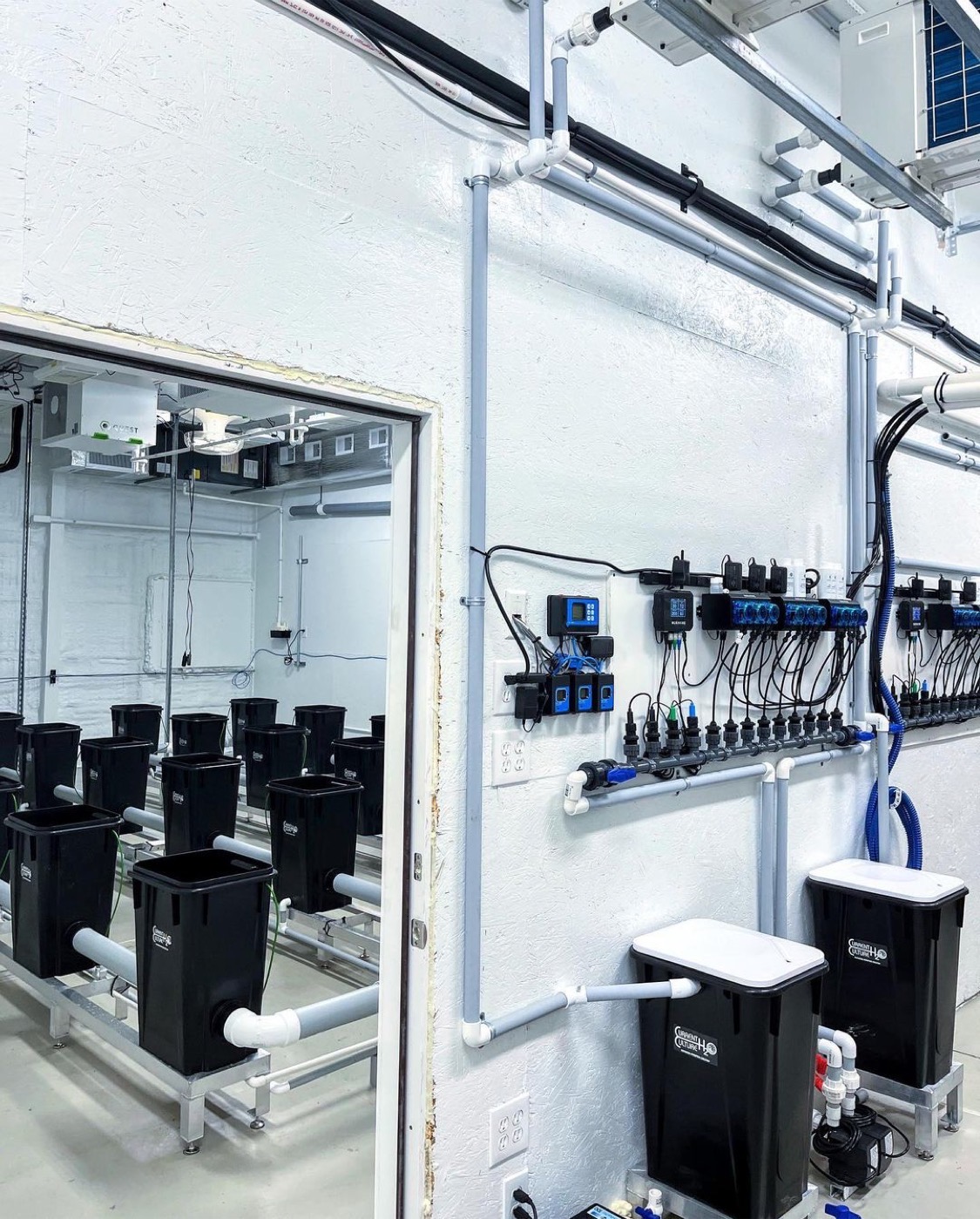
ReCirculating Deep Water Culture systems are especially effective for larger operations. Adjustments made at the centralized EpiCenter distribute evenly through all connected modules, with the system’s water volume moderating changes in pH or EC for more stable, plant-friendly conditions.

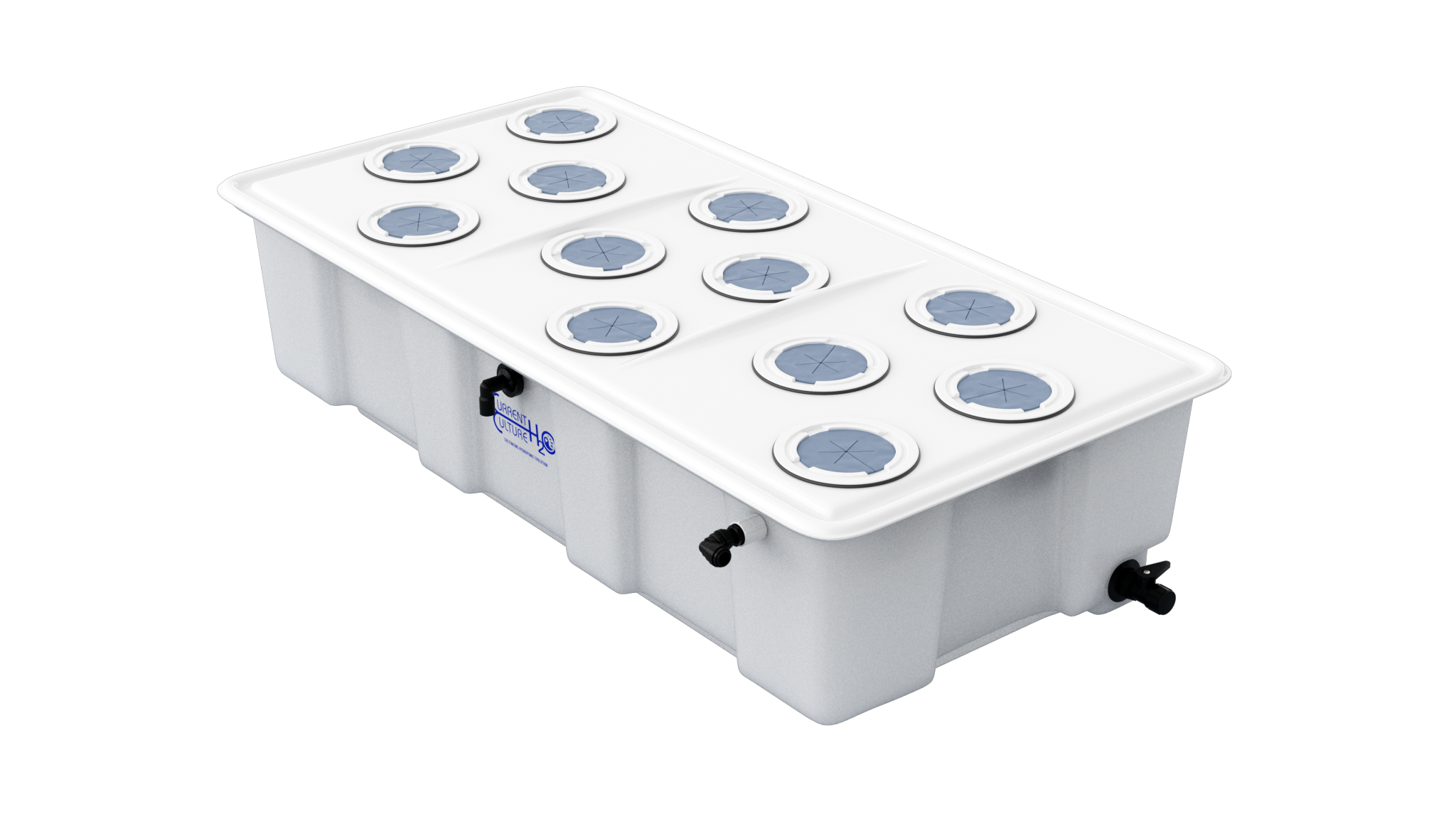
Grow at home or in educational settings using ready-to-operate DWC Deep Water Culture systems from Current Culture H2O. Systems come fully equipped; simply add plants and water. Proven practices and email-based support are included.
RDWC Systems for Professional Cultivation Grow at scale with confidence using CCH2O Under Current systems. Since 2006, Current Culture H2O has supported thousands of growers worldwide with industry-leading RDWC equipment and expert guidance during planning, retrofits and new builds.
 Build your own DWC Deep Water Culture system using purpose-designed parts and accessories from Current Culture H2O. Manufactured from durable, non-toxic materials, these are the same components used in professional-level CCH2O systems.
Deep Water Culture was first developed by plant researchers seeking to understand the elements required for healthy plant growth. Because soil varies widely in composition, they needed a method that revealed exactly what roots received. Water culture proved ideal.
Early DWC Deep Water Culture systems consisted of flasks with removable opaque covers. Air was supplied through tubing leading to the bottom of the flask, while a small amount of cotton supported the plant and acted as a germination substrate. As roots grew into the aerated solution, researchers experimented with nutrient levels and combinations to determine which elements were essential.
Key contributions came from von Sachs and Knop between the 1840s and 1860s, followed by Hoagland and colleagues in the 1930s, who developed solutions similar to those used today. DWC Deep Water Culture systems continue to support plant research globally due to their simplicity, effectiveness and ability to produce replicable results.