

You have 0 items in your cart
Why Ditch Coconut Coir?
Growing Medium-less For The Win
Why ditch coconut coir? Sure, a good batch of coco coir is capable of producing good yields and harvest quality–but at what cost? Every year the price of coconut coir for horticultural applications continues to rise; and we’re not just talking about the money you spend.
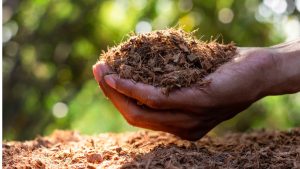
As of recently, there is a shortage of coir in the marketplace due to monsoon conditions causing a noticeable rise in the cost while reducing the availability and potentially the consistency of the coir that is available.
Coir, while being noted for a more sustainable alternative from sphagnum moss as it is a by-product of the coconut industry, is also not without it’s environmental impacts.
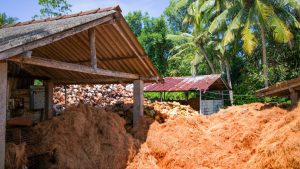
Let have a look at a few the reasons you might ditch coconut coir:
- Raw material availability is seasonally limited, especially during monsoon seasons in key producing areas. Coconut husk collection drops, drying is challenged by high humidity, slowing production. Read HERE
- Recent cyclone (“Gaja”) and heavy rains have damaged plantations, hampering coconut harvests, leading to difficulties in drying coir. This restricts stock and increases cost. Read HERE
- The global coco coir market is expected to grow with a CAGR (~8-10%) in many reports, but with “restraints” noted including volatile raw material supply and price fluctuations. Read HERE
- Price volatility is explicitly called out: fluctuations in coconut yield, labor cost, shipping & transportation costs drive up final prices. Read HERE
- There is a lack of standardization; many coir producers vary in salt levels (EC), pH, moisture, fiber length. These variabilities make the medium inconsistent from batch to batch, which is problematic for growers needing reliable performance. Read HERE
- Coco coir is often framed as more sustainable than peat (peat takes centuries to form, coir is a byproduct of coconut harvest). However, processing can involve large water usage, wastewater (retting/soaking), drying energy, and shipping carbon cost. Read HERE
- In recent years, rising temperatures and climate change (drought, heat) are reducing coconut yields in India, creating shortages which feed into coir supply issues. Read HERE
Medium-less Cultivation, A Solution
What if growers didn’t need any growing medium at all? Imagine never having to buy copious amounts of expensive growth mediums again–and while you’re at it, consider the other benefits you might enjoy by ditching coco coir and growing medium-less.
- No growth medium to purchase, transport or dispose of
- Reduced transplant labour
- Improved hygiene in the growing environment
- Reduced environmental footprint
- Higher profitability
High Pressure Aeroponics
Current Culture H2O has developed a scalable, medium-less high pressure aeroponics system that can be deployed as a direct replacement in most drip-tray designed facilities, eliminating the need for growing mediums like coco coir or rockwool. The aeroponic modules fit in standard racking and are light weight, making them suitable for vertically stacked applications.
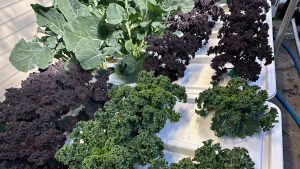
A single pumping station can operate up to twelve 2 foot by 4 foot aeroponic modules, delivering a fine high pressure low volume mist with user programmed frequency and duration for the ultimate level of control over air to water ratios in the root zone. Lids can be configured for a variety of plant spacings from propagation to mature plants. Clean up between crops is efficient and tidy, increasing the potential number of crop turns annually.
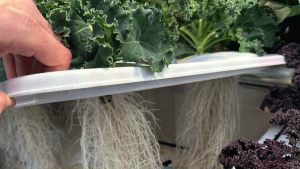
In high pressure aeroponics, growth rates, yields and crop quality are exceptional. The system operates reliably in a variety of settings including greenhouses and indoor cultivation facilities.
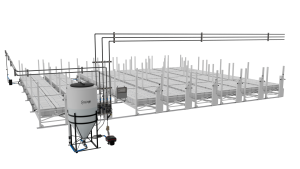
Contact CCH2O for more details about medium-less cultivation solutions.